Many shipwrecks in the English Channel are in danger of being lost forever, partly due to damage done by fishing trawlers and dredges, experts say.
Wreck Watch has analysed a new sea bed survey and said historically important wrecks are being destroyed and should be raised.
Some 267 shipwrecks have been found, 115 of which showed permanent damage, said its leading marine archaeologist.
The wrecks include Royal Navy warship HMS Victory, lost in 1744. The ship went down with Admiral Sir John Balchin, 1,100 sailors and 110 bronze cannon.
Wreck Watch has identified ten key sites that they believe warrant further study, mapping, excavation and selective artefact recovery.
It said the process would also benefit fishermen, identifying wrecks of non-archaeological value which could be safely fished.
The loss of expensive fishing equipment would also be minimised, said their report.
But trawler crews have disputed the claims they are to blame and questions have also been raised by some sceptics because the research was carried out by a US salvage company, which makes money selling sunken treasure.
Christopher Vinnicombe, of the Cornish Fish Producers' Organisation, said they tried to avoid the "thousands" of wrecks in the Channel because it often damaged their equipment.
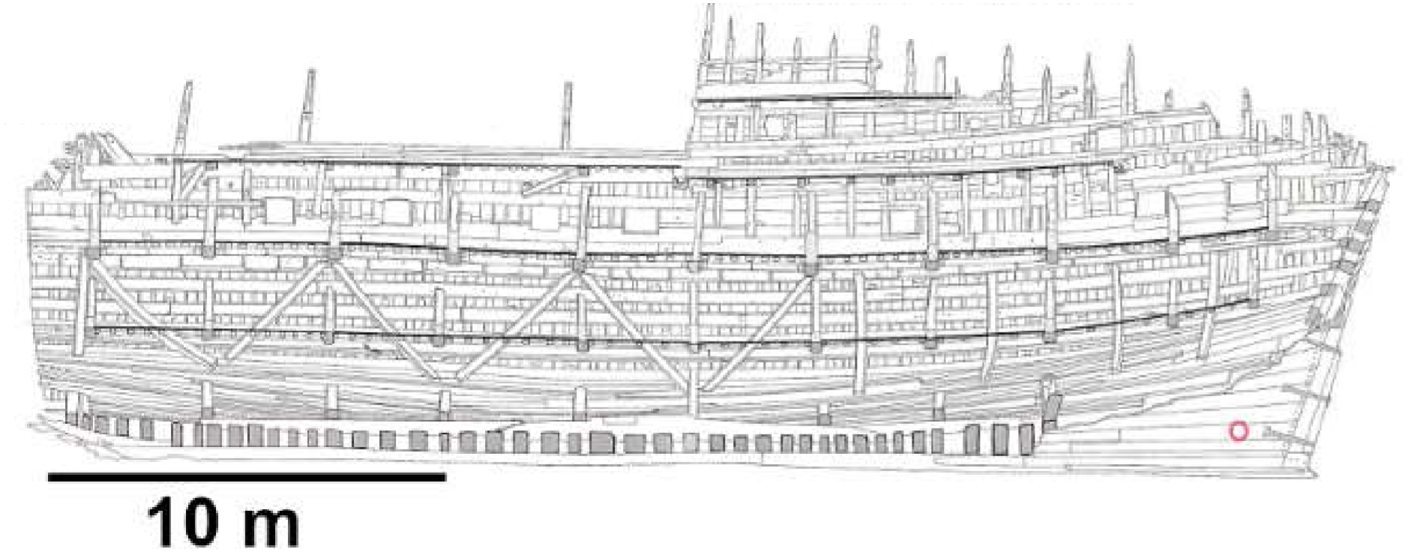
In 1982, before the eyes of watching television cameras, the wooden remains of the 16th-century English warship Mary Rose were lifted from its underwater grave. Since then, it’s proven a veritable time capsule into Tudor Britain. But, as you might imagine, nearly 500 years under the sea doesn’t do wonders for keeping the ship in shape.
That’s where some very modern X-ray scanning has now come on board. Researchers have turned to techniques used in chemistry and manufacturing to scan wood from the Mary Rose.
Unlike previous techniques that rely primarily on finding one specific element, this X-ray technique allows researchers to scan a relic and see any potential contaminants and where they are. The researchers published their work in the journal Matter on October 27.
“It is vital when dealing with precious materials that you get as much information you can in one go, and this is what this technique offers,” says Eleanor Schofield, one of the study’s authors, and head of conservation at the Mary Rose Trust, the charity that takes care of the ship.
First, a bit of history. When the Mary Rose was built in 1511, it was one of the largest ships in the English fleet. And the ship was no stranger to battle; early 16th century England, during the reign of King Henry VIII, was a time of frequent wars, particularly with France.
It was in 1545, amidst one of those wars, that the French were planning to land an invading army on English soil. The Mary Rose was called to help fight them off.
That brought the ship to the Solent, an offshoot of the English Channel that separates Great Britain from the Isle of Wight. It was there that the Mary Rose would sink, taking most of her crew down in the process.
El 5 de octubre de 1804, a 30 millas náuticas del cabo de Santa María de Portugal, en actuales aguas internacionales, la Marina Real británica hundió a cañonazos la fragata Nuestra Señora de las Mercedes.
El inesperado ataque se llevó a cabo violando el Tratado de Paz de Amiens —suscrito entre Francia, España y Reino Unido— de 1802. Murieron 275 tripulantes, mientras un enorme cargamento de oro, plata y cobre se hundía en el mar a unos 1.130 metros de profundidad.
En 2007, la compañía cazatesoros Odyssey Marine Exploration expolió 600.000 monedas de la carga, aunque España terminó recuperándolas en los tribunales estadounidenses. Sin embargo, como revelan las actas del congreso internacional Archaeology: Just Add Water, celebrado en Varsovia en 2019, ahora hechas públicas, los expoliadores solo se centraron en las monedas y abandonaron todo lo demás.
Dejaron intacto el segundo tesoro de la Mercedes. Centenares de sus piezas ya han vuelto a España, están siendo restauradas y se expondrán en noviembre. Nunca se había hecho una excavación a tal profundidad.
En 2014 el Museo Nacional de Arqueología Subacuática, ARQUA, (Cartagena), dependiente del Ministerio de Cultura, inició un proyecto para que España excavase científicamente el pecio. Se trataba de un reto nunca acometido por ningún país.
Los dos o tres casos anteriores en los que se había bajado por debajo de los 500 metros se habían limitado a filmar y fotografiar. El plan del museo planteaba que era perfectamente posible hacerlo si se aunaban esfuerzos.
Se invitó al el Instituto Español de Oceanografía (IEO) y se cursó también invitación a la Armada como institución observadora. Aceptó.
En verano de 2015, zarpó de Cartagena la primera expedición conjunta a bordo del buque oceanográfico Ángeles Alvariño, del IEO. Al llegar a la vertical del pecio, la primera inmersión del ROV (siglas en inglés de vehículo operado remotamente, un complejo equipo submarino teledirigido), localizó exactamente el corazón de la nave.
Pero las pantallas de los ordenadores señalaban que los restos estaban muy dispersos debido a la explosión de 1804 y a las técnicas destructivas de Odissey. Se tomaron miles de fotografías y vídeos. La campaña se repitió en las de los veranos de 2016 y 2017.
A esta última se sumó el Centro de Investigaciones Científicas (CSIC), que aportó el buque Sarmiento de Gamboa. Los minisubmarinos detectaron esta vez “un tesoro más importante: miles de objetos enterrados bajo el fondo marino que muestran, en parte, cómo era la vida a principios del siglo XIX: de cañones de bronce a vajillas de oro y plata”. “Su valor científico y museístico”, como señala el informe del director del ARQUA y del proyecto, Iván Negueruela, “es incuestionable”.
El estudio recién publicado por la Universidad de Varsovia titulado The Mercedes 2015–2017 Project: Exploration and Excavation of the Wreck Nuestra Señora de las Mercedes (1.138 m depth) (Proyecto Mercedes 2015-2017.
Exploración del pecio de Nuestra Señora de las Mercedes (1.138 metros de profundidad) señala que el objetivo de las tres campañas fue definir “la extensión del yacimiento, documentar las condiciones en que quedó este tras el saqueo, realizar un mapa arqueológico de los materiales que permanecen bajo el lecho marino y la extracción de algunos de los materiales detectados”.
Our boat was only half a dozen miles out of St Mary's, the main island in the Isles of Scilly, but the sea had become a different beast entirely.
The waters that lulled against the harbour walls were long gone, and as we arced around the Western Rocks – a notorious cordon of razor-sharp skerries at the very south-westerly reaches of England – the swell surged.
Waves slapped against the bow as the boat keeled to and fro. The water was the colour of midnight, and I peered into the darkness for a sign of the HMS Association, one of 1,000 shipwrecks that lie splintering into the seabed around Scilly.
Two parallel reefs, much of which is submerged at high water, the Western Rocks posed a formidable threat to sailors bound for safe harbour in Tresco or St Mary's. And the names that each cluster of jagged granite has been given over the years – Inner Rags, Tearing Ledge – hint at the devastation wrought.
"It is doubtful if any collection of rocks in the whole of the British Isles has a worse reputation," said Richard Larn OBE, president of the International Maritime Archaeological & Shipwreck Society and author of Sea of Storms: Shipwrecks of Cornwall and the Isles of Scilly. "This immense area of hidden danger has been the setting for the worst of the many wreck disasters on Scilly."
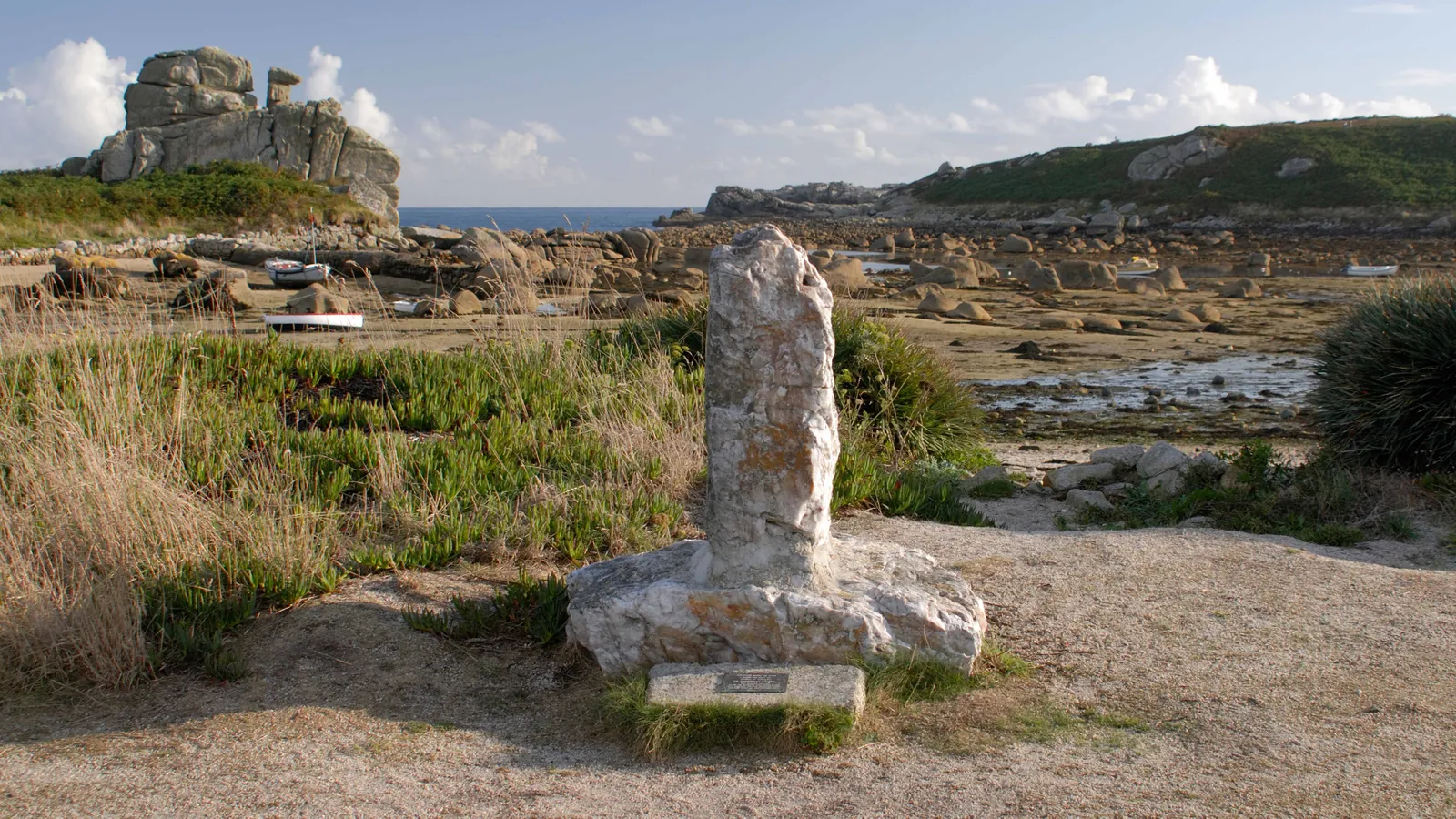
None, though, have been more tragic, nor played a more significant role in history, than the sinking of the Association in the early years of the 18th Century.
A 90-gun, second-rate English warship, HMS Association was the flagship of Sir Cloudesley Shovell, who had worked his way up from lowly cabin boy to become Admiral of the Fleet in 1705.
Shovell had distinguished himself in the Nine Years' War and in early skirmishes of the War of the Spanish Succession, but after a summer spent (unsuccessfully) laying siege to the French port of Toulon, he set sail for home, departing from Gibraltar for England in late September 1707.
In 1941, the SS Gairsoppa, a British cargo ship, was sunk by a German submarine. Only one member of the crew survived, with dozens perishing in the attack.
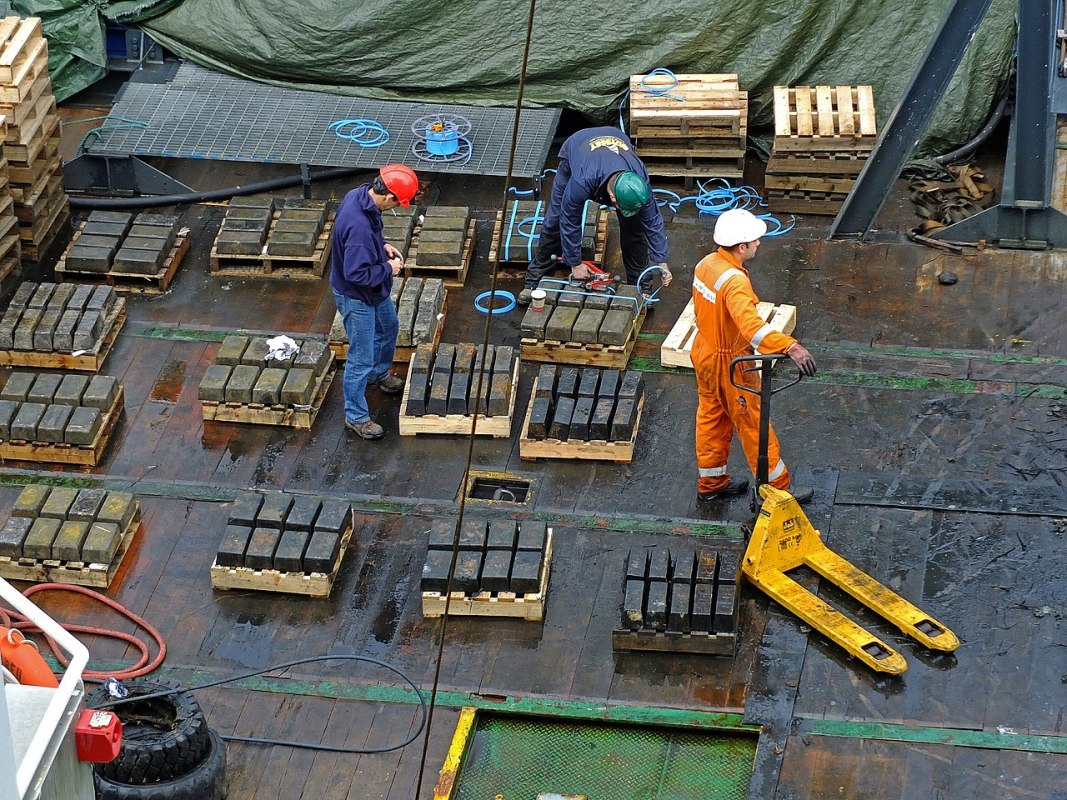
What was left of the vessel remained below the waters of the Atlantic off the coast of Ireland for decades. In 2013, Odyssey Marine discovered the remains of the ship — including a massive haul of silver that was on board when the Germans attacked.
That trove of silver wasn’t the only valuable thing found in the shipwreck, however. A new report from Allyson Waller at The New York Times focuses on another significant discovery made in the wreckage: a number of letters — more than 700 in total — that offer an intimate and personal glimpse into life during wartime.
As you might guess, letters that have been in an underwater space for 70-odd years aren’t in the best condition. The Times article focuses on the work conservators are doing to reconstruct the letters, so that we can learn more about who wrote and received them and properly honor those whose lives were lost.
Controversy continues to swirl around the discovery in the murky depths of the Mediterranean of a 17th century Ottoman shipwreck in the Lebanese EEZ and the subsequent confiscation of its salvaged cargo by customs officials in Limassol.
News of the recovery of the artifacts and their confiscation at the end of 2015 recently resurfaced in the wake of a press release issued by Enigma Recoveries, the London-based company that funded the underwater exploration of the site.
Enigma hailed the discovery as a “once in a generation find that tells the story of the beginning of the globalised world”.
The company claims the legal problems it has encountered in Cyprus were the result of a simple administrative mistake. The department of antiquities, which currently has custody of the 588 artifacts confiscated in Limassol port, has a decidedly different take.
It accuses the company of carrying out illicit underwater excavations. Furthermore, the department claims that the people responsible for the underseas operation are no more than professional treasure hunters, motivated solely by their pursuit of a profitable pay-off.