:focal(2890x1927:2891x1928)/https://tf-cmsv2-smithsonianmag-media.s3.amazonaws.com/filer_public/b2/d7/b2d7aee9-5e52-4b50-8839-66f7d811025b/gettyimages-2272969088.jpeg)
From Ellen Wexler - Smithonian Magazine
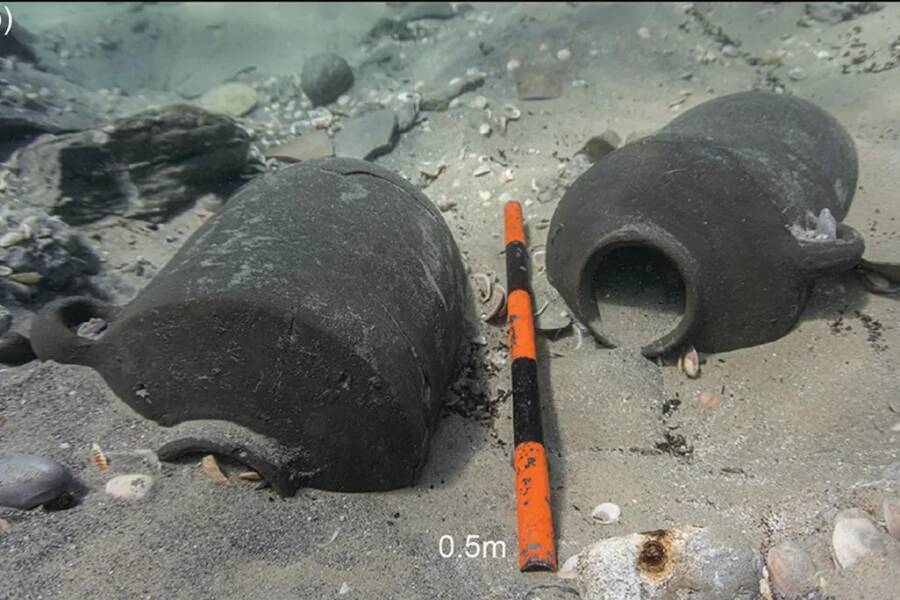
Known as the “Camarat 4,” the ship was loaded with cannons, cauldrons and hundreds of ceramics—which are still visible on the seafloor. Researchers are surveying the site and carefully recovering a small selection of artifacts.
At least 400 years ago, a merchant ship was sailing across the Mediterranean Sea when it sank off the southeastern coast of France. Its cargo, hundreds of carefully crafted ceramic plates and jugs, tumbled into the watery darkness and settled onto the seafloor. The handmade treasures wouldn’t be seen again for centuries.
Then, in 2025, the French Navy stumbled across the ship when it was conducting an exploratory deep-sea operation. The vessel was resting more than 1.5 miles below the surface—making it the deepest known shipwreck in French territorial waters.
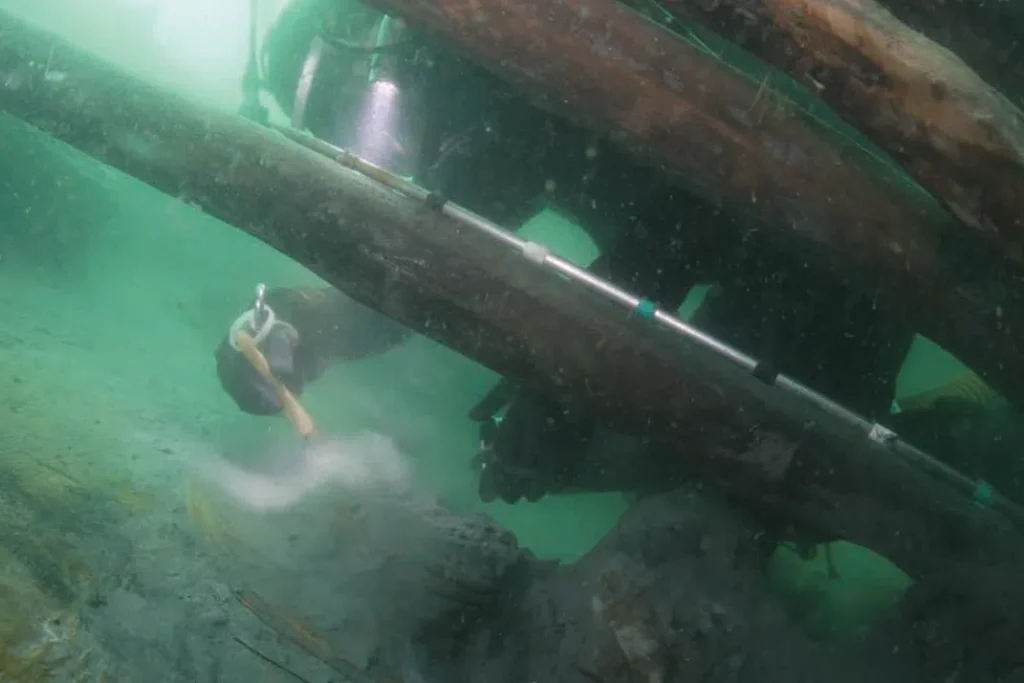
“You have to be extremely precise so as not to damage the site, so as not to stir up sediment,” Sebastien, a navy officer who oversaw the first archaeological mission at the site, tells Agence France-Presse (AFP). The remotely operated robot is the only one of its kind in France that’s capable of functioning at such great depths.
The descent took an hour. In the hours that followed, its cameras captured eight pictures per second, producing 66,974 images that were then collated to generate a 3D model of the wreckage. The robots also installed topographic markers at the site, which will help them track any man-made or natural disturbances.
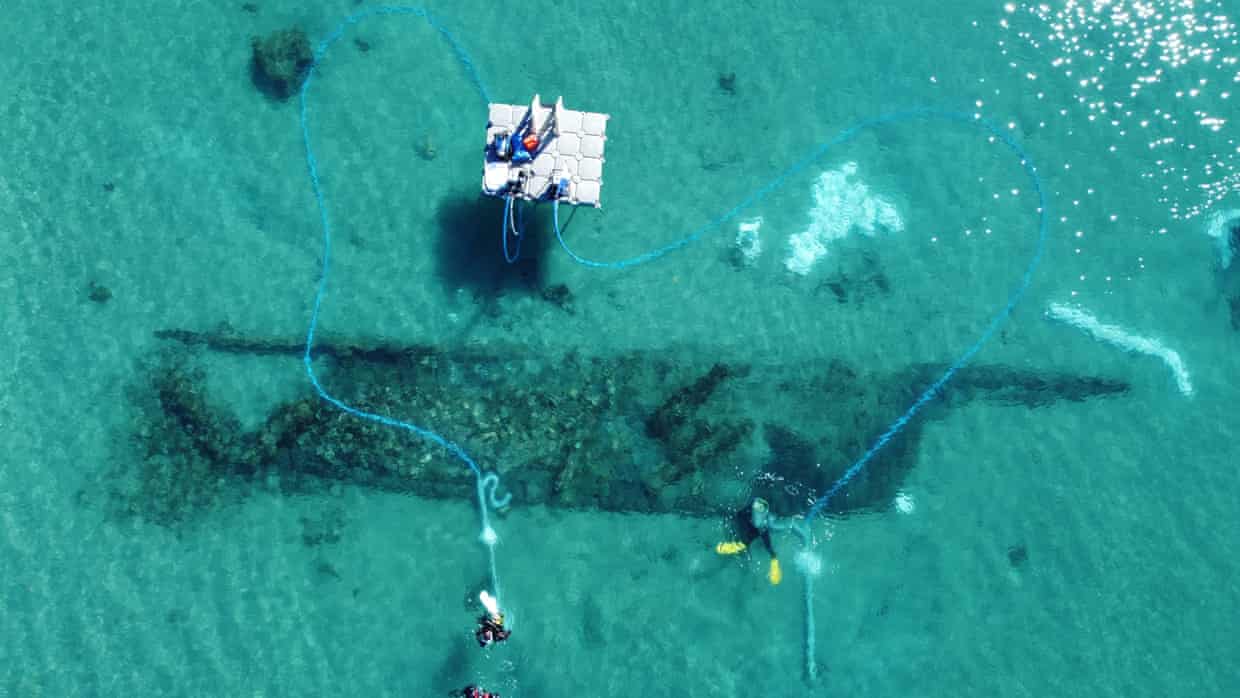
Researchers are now investigating the wreck, which they call the Camarat 4 after a nearby point on the French coastline. Over three days in April, they used an underwater robot to study the site and carefully recover a small selection of artifacts from the bottom of the Mediterranean.